

How to Get a Mentor Without Ever Asking for One
2 min read
Every mentor I’ve had, I never asked. I tried asking, early on. “Would you be my mentor?” It’s a strange request. It asks a busy person to sign up for an undefined job with no end date, and most of them politely find a reason not to. The ones who said yes rarely followed through, because there was nothing specific to follow through on.
What worked was something different, and slower, and it worked every time.
Do the work first
People who know things are tired of being asked for shortcuts by people who haven’t started. They light up when someone who’s clearly been trying shows up with a specific problem. So before you approach anyone, be a few months into the thing. Have attempted it. Have something to show, even if it’s rough. The work is the entrance fee, and almost nobody pays it, which is why it works.
 Worth reading on thisThe War of Art by Steven Pressfield — A short, blunt book about the force that stops you starting. Read it in an afternoon; feel it for years.Click hereto see it→
Ask one good question
Not “can I pick your brain.” One question, specific, that shows you’ve done your homework and hit a real wall. “I’ve written three inspection reports using the format you described. Clients keep asking about the same section. Here’s what I’ve tried. What am I missing?” That takes two minutes to answer and tells them you’re worth two minutes. Most people enjoy being useful in a way they can finish.
Then go and use the answer
This is the step that separates the people who end up with mentors from everyone else. Take the advice, apply it, and come back a few weeks later with what happened. “You said to lead with the summary. I did it on the next six reports. Here’s what changed.” Now they’re invested. They’ve seen their words turn into results in your hands, and there’s no feeling quite like it for someone who’s been doing a thing a long time.
You’ve never used the word mentor. You’ve just become the person they’re glad to hear from.
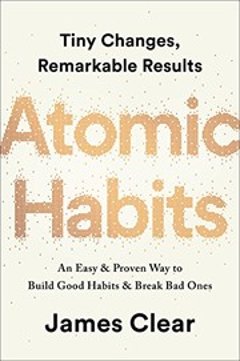 Goes deeperAtomic Habits by James Clear — The clearest manual on making a habit small enough to survive a bad week. Pairs with almost everything on this site.Click hereto see it→
Be useful back
The relationship lasts when it runs both ways, even unevenly. Send them the article you know they’d like. Introduce them to someone. Show up at the thing they’re speaking at. Say thank you specifically, not generally. I’ve had people decades ahead of me treat me like a peer because I made their life slightly easier a few times, and asked for nothing in return.
Several, not one
The idea of the one mentor is mostly from films. In practice I had one person for the technical side of the business, another for money, another for how to teach adults without boring them. None of them knew they were on a list. Each gave me what they were best at, and I didn’t ask any of them to be something they weren’t.
Look closer than you think
The best teacher I had in my trade wasn’t famous. He was a man two years ahead of me who’d made all the mistakes I was about to make. Proximity beats prestige. The person slightly ahead remembers what the wall felt like.
This week
Pick one person a few steps ahead. Do enough work to have a real question. Ask it, briefly. Then do what they say and tell them how it went. That’s how it starts, and it never needed the word.
Two more books, and one tool

Launch list
Be there on day one.
One email when the book opens on Kickstarter. Nothing else. Already reading the book? Your Cheat Sheet is at wisdomdeck.com/free.
Coming soon on 
The book itself — 40 laws in ten parts, 320 pages, each ending with The Work — is funded first on Kickstarter.


