Feeling Like a Fraud Is Often Proof You’re in the Right Room
3 min read
The first class I ever taught, I had the license, the material, and years in the field. I also had a sick certainty, right up to the moment I started speaking, that somebody in the second row would see through me. They’d ask a question I couldn’t answer, and the whole room would realize I was a man who’d merely passed an exam.
It didn’t happen. The second class, the feeling was slightly smaller. By the fiftieth it was almost gone. And then I took on something new, and it came straight back, as strong as the first day.
What the feeling actually is
Feeling like a fraud is what competence feels like from the inside while it’s still being built. You know enough to see how much you don’t know. Beginners don’t feel it, because they can’t see the gap yet. Masters mostly don’t feel it, because they’ve closed it. The people in the middle, the ones actually growing, feel it constantly. That’s not a flaw in the process. That’s the process.
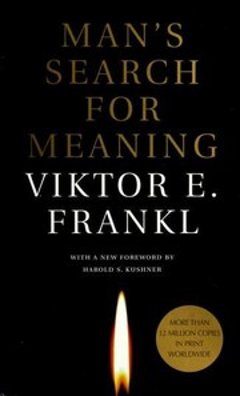 Worth reading on thisMan’s Search for Meaning by Viktor E. Frankl — Written by a man who lost everything and kept the one thing that mattered. Read it slowly.Click hereto see it→
Put another way: if you never feel like a fraud, you’ve stopped entering rooms where you have anything to learn.
The test I use now
When the feeling comes, I ask one question: is there a specific thing I’m claiming that isn’t true? If I’ve told someone I can do a thing I can’t, that’s not a syndrome. That’s a problem, and the fix is to come clean and learn it. But usually the answer is no. I haven’t claimed anything false. I’m just in a room where the standard is high and I’m newer than most. That’s allowed. That’s how everyone in the room got there.
Nobody’s checking
Here’s the thing I wish someone had told me at thirty. The people you think are judging you are mostly thinking about themselves. They’re wondering whether they belong. The second row isn’t waiting to expose you. They’re hoping you know what you’re doing so they can relax. Give them that, even while you don’t fully feel it, and you’ve done your job.
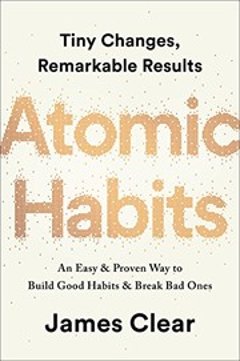 Goes deeperAtomic Habits by James Clear — The clearest manual on making a habit small enough to survive a bad week. Pairs with almost everything on this site.Click hereto see it→
Keep the receipts
Feelings lie about the past. So I keep a plain file, nothing fancy: things I’ve done, problems I’ve solved, notes people sent. When the fraud feeling says I’ve never really achieved anything, I open the file. It doesn’t argue. It just lists. Hard to feel like a fraud with the evidence on the screen.
Say it out loud, once
The feeling grows in silence. The first time I admitted to a colleague that I felt out of my depth, he laughed and said he’d felt that way for a decade. Something broke open. It’s nearly universal, and nearly nobody says it, so each of us thinks we’re the only one faking it. You’re not. You’re in a room full of people building the same thing you are.
Where it leads
The feeling never fully left. It just changed meaning. Now, when it shows up, I take it as a sign I’ve found an edge worth working at. Comfort is what the feeling of belonging turns into when you’ve stopped growing. I’ll take the other one.
Today
Name one room you’re in where you feel like a fraud. Check: have you claimed anything false? If not, stay. Do the work. Start the receipts file. And tell one person, because they feel it too.
Two more books, and one tool

Launch list
Be there on day one.
One email when the book opens on Kickstarter. Nothing else. Already reading the book? Your Cheat Sheet is at wisdomdeck.com/free.
Coming soon on 
The book itself — 40 laws in ten parts, 320 pages, each ending with The Work — is funded first on Kickstarter.