

Give Yourself a Deadline That Hurts a Little
2 min read
Ask someone how long the project will take and they will give you a comfortable number. Then watch the project take exactly that long, or a little longer, regardless of how much work it actually contained. This is not a coincidence. Work expands to fill the time available, because the time available becomes the standard, and the standard is met. The fix is not more time. It is a deadline set slightly closer than feels comfortable, and the discomfort is the feature, not the flaw.
Why Comfortable Deadlines Fail
A generous deadline removes urgency, and without urgency the work drifts. Early days are spent on setup and research, because there is time. Middle days are spent on refinement of things that did not need refining, because there is time. Then the final days arrive and the actual work happens in a compressed rush, which is what would have happened anyway, just with weeks of drift in front of it. The comfortable deadline did not make the work better. It made it later.
What a Tight Deadline Does
It forces triage. With less time, you cannot do everything, so you have to decide what actually matters, and that decision is the most valuable part of most projects. It eliminates perfectionism, because there is no time to polish the parts nobody will see. It concentrates attention, because a near deadline is loud and a distant one is silent. And it produces the useful discovery that most of what you thought the project required was padding you added because the schedule allowed it.
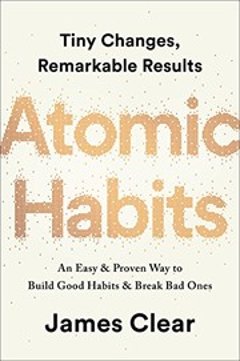 Worth reading on thisAtomic Habits by James Clear — The clearest manual on making a habit small enough to survive a bad week. Pairs with almost everything on this site.Click hereto see it→
Setting One That Works
Take your honest estimate and cut it
Not in half; that produces panic and poor work. By a quarter or a third, enough that you notice and have to move differently from the first day.
Make it external if you can
A deadline only you know about is a suggestion. Tell someone the date. Book the meeting. Schedule the send. Give the deadline a witness and it acquires teeth.
Define what “done” means before you start
A tight deadline with a vague finish line produces anxiety. A tight deadline with a clear one produces focus. Write the finish line first.
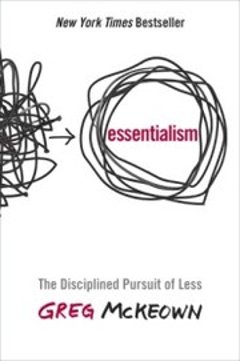 Goes deeperEssentialism by Greg McKeown — Doing fewer things, on purpose. The best argument for a shorter list you will read.Click hereto see it→
Ship at the deadline, imperfect
The point of the exercise is to finish. If it is not perfect at the deadline, ship it and improve the next one. Perfection is what the padding was for.
What You Learn
Usually, that you were capable of far more speed than you believed, and that quality did not suffer the way you feared. Sometimes, that the tight version was actually better, because it was focused on what mattered. Always, that the comfortable estimate was not an honest assessment of the work. It was an assessment of how long you were willing to let it take.
Cut the Date
Pick the project you are currently giving too much time. Move the deadline closer, enough to hurt a little. Tell someone. Define done. Then watch how much of the work you thought was necessary quietly disappears, and how much faster the rest gets finished.
Two more books, and one tool

Launch list
Be there on day one.
One email when the book opens on Kickstarter. Nothing else. Already reading the book? Your Cheat Sheet is at wisdomdeck.com/free.
Coming soon on 
The book itself — 40 laws in ten parts, 320 pages, each ending with The Work — is funded first on Kickstarter.


