Reusable Produce Bags: Keep Them With the Shopping Routine and Wash as Directed
2 min read
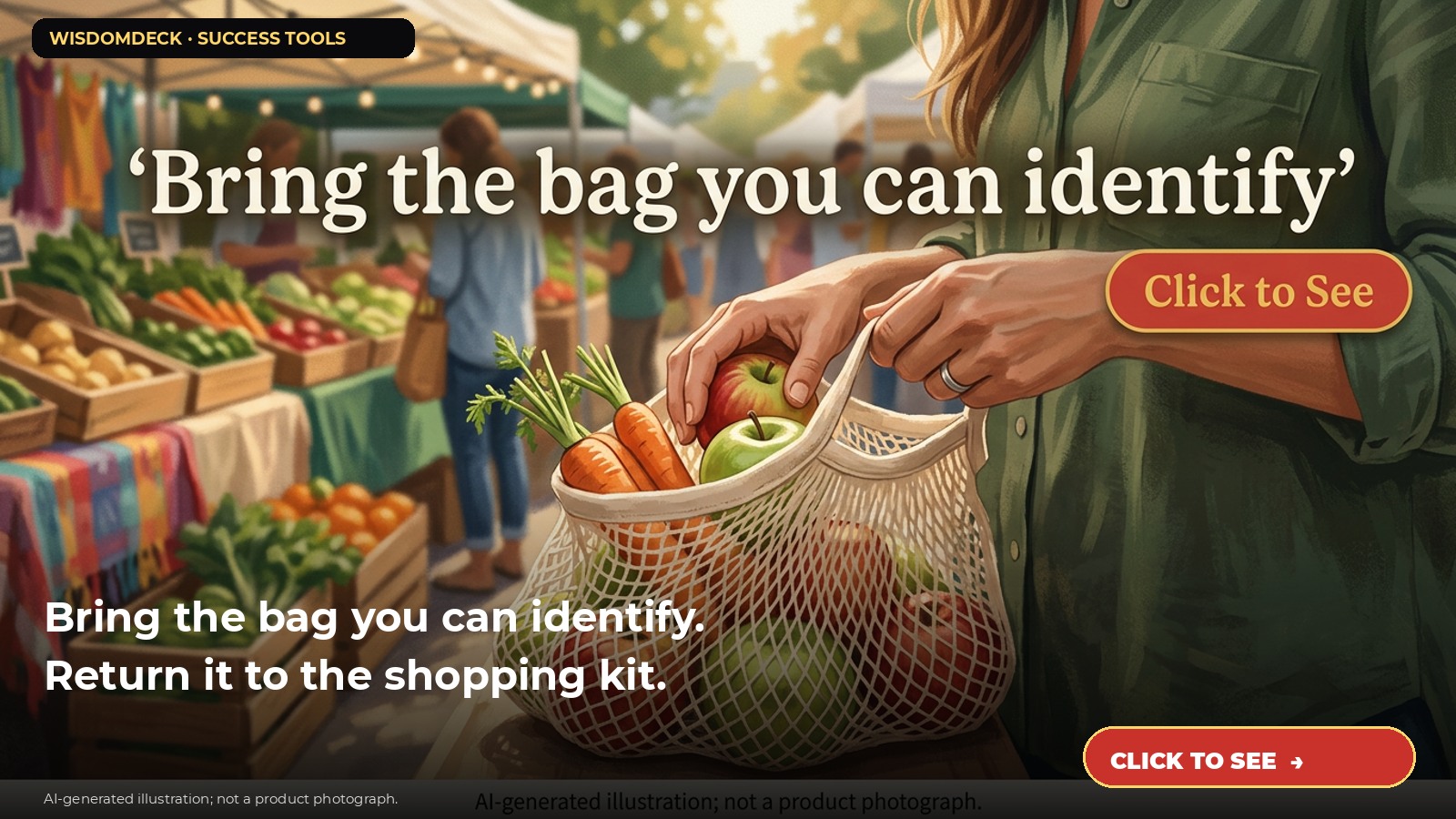
We may earn a commission if you buy through this link.
See Flip & Tumble reusable mesh produce bags on Amazon. Check the current listing before buying; existing supplies may be all you need.
Reusable produce bags can be easy to forget at home if they are stored separately from the shopping routine. Keeping them folded with other reusable bags makes them easier to bring along. A small system should also make clear which bags are clean and ready to use.
Choose bags that suit the produce and the store
Check the bag’s size, closure, material, and care directions. Mesh bags may let you see contents, but they are not a substitute for checking the produce or following store policies. Some items may be better left loose or packed in a different way, depending on the product, checkout process, and your preference.
If the bag has a tare-weight tag, use it only when the store can account for that weight. Do not assume every cashier or scale supports the same process. Ask how reusable bags are handled at the store if you are unsure.
Make the bag part of the shopping kit
After washing and fully drying the bags according to their instructions, fold them and keep them with the main shopping totes, car keys, or another reliable departure cue. A separate small pouch or shelf can help keep clean bags together. Avoid storing damp bags in a closed container.
Before leaving, check that the bags are clean, intact, and appropriate for the items you plan to buy. Keep bags used for raw or potentially contaminating foods separate and handle them according to food-safety guidance.
Use a simple checkout sequence
Put produce into a suitable bag without overfilling or forcing the drawstring. At checkout, follow the store’s process for weighing or identifying the produce. If the bag obstructs a barcode or produce label, remove it when needed so the item can be identified accurately.
For example, a household might keep several empty mesh bags folded inside its main grocery tote. After unloading, the bags go directly into the laundry or wash area as appropriate, then return to the shopping kit once clean and dry.
Wash and inspect before reusing
Follow the manufacturer’s cleaning directions for the specific material. Do not assume every mesh produce bag is machine-washable or suitable for hot water. Inspect seams, drawstrings, and any tare label; retire damaged bags that no longer close or clean properly.
Keep produce washing separate from bag care. Follow trusted food-safety advice for rinsing fruits and vegetables, and do not rely on the bag to clean or preserve the contents.
Decide whether a reusable bag is practical
Count the bags you already own and consider how often you remember to bring them. If carrying them is inconvenient or you cannot keep them clean and dry, a different shopping routine may fit better. No bag is useful when forgotten in a cupboard.
Check the current listing for the number of bags, dimensions, and stated cleaning directions. The product referenced here is described as a set of five 12-by-14-inch polyester mesh bags; verify those details on the active listing before buying.

Launch list
Be there on day one.
One email when the book opens on Kickstarter. Nothing else. Already reading the book? Your Cheat Sheet is at wisdomdeck.com/free.
Coming soon on 
The book itself — 40 laws in ten parts, 320 pages, each ending with The Work — is funded first on Kickstarter.