


You Already Know What to Do
2 min read
Ask yourself, honestly, what you should do about the thing you have been agonizing over. Not what you would like to be true. Not what would be easiest. What you should do. Notice how fast the answer arrives, before you can arrange your face against it. It came in under a second, which means it was already there, fully formed, waiting. The weeks of agonizing were not a search for the answer. They were a search for a way to not have to act on it.
The Real Function of Overthinking
Deliberation has a legitimate role when information is genuinely missing. But most of the questions people circle for months are not information problems. Should I leave the job. Should I have the conversation. Should I stop doing the thing. Should I start. The relevant facts have been in hand for a long time. What overthinking provides is not clarity but delay, dressed as diligence, and it is remarkably effective, because it lets you feel responsible while doing nothing.
Why We Pretend Not to Know
Because knowing obligates. As long as the question is open, the unpleasant action can wait, and the version of you that does not have to make the call gets to keep existing. The moment you admit you know, the excuse dies. So people keep asking friends who have already told them, reading articles that say what they already believe, and making lists whose conclusion was decided before the first line. The confusion is not real. It is protective.
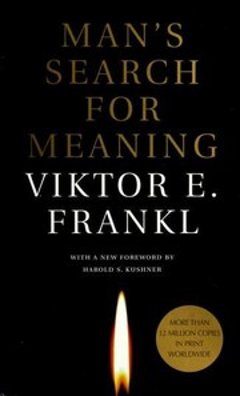 Worth reading on thisMan’s Search for Meaning by Viktor E. Frankl — Written by a man who lost everything and kept the one thing that mattered. Read it slowly.Click hereto see it→
Hearing the Answer
Ask the fast question
“If I had to decide in the next ten seconds, what would I do?” The first answer is usually the honest one. Everything after it is negotiation.
Ask what you would tell your closest friend
You have no trouble seeing their situation clearly. Borrow that clarity and point it at your own.
Notice what you hope the answer is
The hope is the tell. Whichever answer you are quietly rooting for is the one you are biased toward, and the one you are avoiding is likely correct.
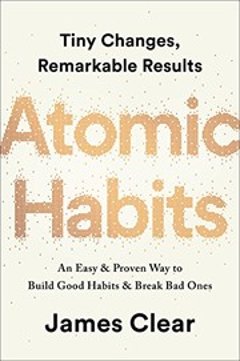 Goes deeperAtomic Habits by James Clear — The clearest manual on making a habit small enough to survive a bad week. Pairs with almost everything on this site.Click hereto see it→
Separate knowing from doing
You can admit what you know without acting today. Just admit it. Say it out loud once. The action gets much easier once the pretense of not knowing is gone.
What Self-Trust Actually Is
People talk about learning to trust themselves as if it were a skill to acquire. It is closer to a habit to stop: the habit of overruling the answer you already have. Every time you act on what you knew, self-trust grows. Every time you spend another month pretending not to know, it erodes. The path to a person who trusts their own judgment is simply a person who stopped arguing with it.
Say It
The thing you have been circling: ask the ten-second question and say the answer out loud, right now, once. You do not have to act on it this minute. You just have to stop pretending it is not there. You already know what to do. You have known for a while. Today, admit it.
Two more books, and one tool

Launch list
Be there on day one.
One email when the book opens on Kickstarter. Nothing else. Already reading the book? Your Cheat Sheet is at wisdomdeck.com/free.
Coming soon on 
The book itself — 40 laws in ten parts, 320 pages, each ending with The Work — is funded first on Kickstarter.


