


The Decision You Keep Not Making Is Already Costing You
2 min read
There is a decision you have been carrying for months. Leave the job or stay. End it or commit. Sell, move, enroll, close the business, have the conversation. You tell yourself you are still gathering information. You have all the information. What you are gathering is time, and time is the expensive part.
An open decision is a running cost
It occupies attention every day. It shades every related choice: you do not take the new project because you might leave; you do not fix the apartment because you might move. People around you are living in your indecision too. None of this shows up on a bill, which is why it feels free. It is the opposite of free.
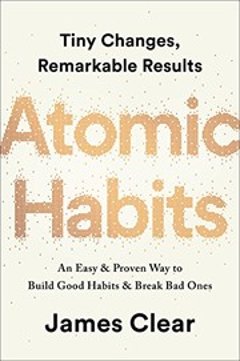 Worth reading on thisAtomic Habits by James Clear — The clearest manual on making a habit small enough to survive a bad week. Pairs with almost everything on this site.Click hereto see it→
Why you have not decided
Usually not because the options are balanced. Usually because one option is right and uncomfortable, and the other is wrong and familiar. Indecision is the way you avoid admitting you already know. More analysis will not help, because analysis is not what is missing.
Put a date on the decision, not the outcome
You do not need to decide today. You need to decide when you will decide. “I will make this call by the 20th” is itself a decision, and it is one you can keep. Then tell someone the date. The someone is the point: a date only you know can be moved; a date someone will ask about cannot.
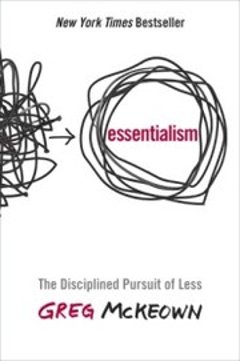 Goes deeperEssentialism by Greg McKeown — Doing fewer things, on purpose. The best argument for a shorter list you will read.Click hereto see it→
And then the first action
A decision with no action within a few days reverts to an open question. So the structure is: a date for the decision, and a dated first step for either outcome. If you stay, what changes by Friday? If you leave, what is sent by Friday? Both written down before you decide, so that deciding is followed immediately by doing.
A single call is often enough
WisdomDeck’s Reality Check Accountability service has a single-call option for exactly this: one forty-five-minute phone call with a real human on the WisdomDeck team, a written action plan afterward, and a date for the decision. No advice on which way to go; partners are not counselors and will not tell you what to choose. They hold the date and ask whether you kept it. If you want the follow-through tracked, a four-week sprint picks up where the call ends. Brief first, price by email, nothing charged until you say yes. See the decision you keep avoiding.
Two more books, and one tool

Launch list
Be there on day one.
One email when the book opens on Kickstarter. Nothing else. Already reading the book? Your Cheat Sheet is at wisdomdeck.com/free.
Coming soon on 
The book itself — 40 laws in ten parts, 320 pages, each ending with The Work — is funded first on Kickstarter.


