


Writing Your Own Statements: A Short Guide to Words You Will Actually Believe
3 min read
Some people want a script written for them. Others already know exactly what they need to hear, in their own words, and simply never hear it often enough. If you are the second kind, this guide is for you. The statements below are the raw material; the repetition is a separate problem we will come to.
Write in the second person, in your name
Not “I am calm.” You do not talk to yourself in the first person when it matters; you say “come on, you can do this.” Write the way you would if you were on your own side. “James, you have done harder things than this call.” The name matters; use the one you respond to.
Present tense, specific moment
“You will be confident someday” points at a future that never arrives. “You walk into the room, you put your notes down, you look up” describes a scene. Scenes are rehearsable. Pick the exact moments you struggle with and write what you do in them.
Believable beats grand
If a statement makes you flinch, it is too big. Step it down until your current self can hear it without arguing. “You are getting better at starting” will do more work than “you are unstoppable,” because you will not spend the whole track disagreeing with it.
Plain words
No jargon, no mystical vocabulary, nothing you would be embarrassed to hear in your own kitchen. The statements that land are the ones that sound like a trusted person speaking to you plainly.
Include the recovery
Write what you do when it goes wrong. “You missed a day; you do not miss two.” A script that only describes success has nothing to say on the day you need it most.
Aim for a page
Forty to sixty statements is a solid base. A good script repeats and varies them rather than needing hundreds of distinct lines.
Then solve the repetition problem
A page of statements you read once a week will not change anything. The same page, heard in your name during sleep, commutes and walks, many hundreds of times over a season, might. WisdomDeck’s Your Own Words option takes exactly what you wrote, arranges it with light editing you approve, and produces private chaptered audio from thirty minutes to ten hours, in a voice you choose from samples. The script and audio are yours. Not therapy, not a medical treatment; your words, delivered often enough to count. Details on the Custom Audio page.
Tools and books for this
Six honest picks that fit this topic. Each one has its own full review on this site, including who should skip it.
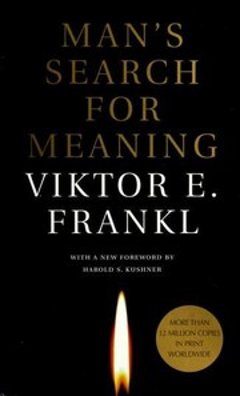 Worth reading on thisMan’s Search for Meaning by Viktor E. Frankl — Written by a man who lost everything and kept the one thing that mattered. Read it slowly.Click hereto see it→
As an Amazon Associate we earn from qualifying purchases. Images are our own review cards, not product photos.




Two more books, and one tool

Launch list
Be there on day one.
One email when the book opens on Kickstarter. Nothing else. Already reading the book? Your Cheat Sheet is at wisdomdeck.com/free.
Coming soon on 
The book itself — 40 laws in ten parts, 320 pages, each ending with The Work — is funded first on Kickstarter.


