Energy Follows Action
2 min read
Everyone knows the feeling of being too tired to do the thing that would make them less tired. Too drained to exercise. Too flat to start the work that would make the day feel worthwhile. Too low to call the friend whose voice would lift you. The logic seems sound: get the energy first, then spend it. But energy does not work like a fuel tank you fill before a trip. For most of what matters, it works in reverse. The action comes first. The energy is what the action produces.
The Backward Assumption
Physical energy behaves counterintuitively. Sitting still does not restore it; past a point, sitting still depletes it, which is why an afternoon on the couch leaves you more sluggish than a morning of movement. Mental energy is the same. Avoiding a task does not conserve the energy you would have spent on it; the avoidance itself is expensive, running quietly in the background all day. The tiredness you feel is often not the cost of doing too much. It is the cost of not yet having started.
What Movement Does
Ten minutes of physical action, almost any kind, changes the chemistry of the next several hours. Circulation increases, alertness rises, mood lifts, and the specific heaviness of inactivity lifts with it. Ten minutes of starting the avoided task does something similar: the dread converts into engagement, and engagement generates its own momentum. In both cases the energy you were waiting for was on the far side of the action, and it was never going to come to you on the couch.
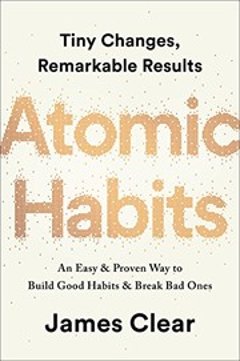 Worth reading on thisAtomic Habits by James Clear — The clearest manual on making a habit small enough to survive a bad week. Pairs with almost everything on this site.Click hereto see it→
Using the Principle
Move before you decide whether you have the energy
Five minutes of walking, stretching, or climbing stairs, then reassess. The assessment made after moving is almost always different from the one made before.
Start the task for ten minutes as an experiment
Not a commitment to finish. A test of whether the energy appears once you begin. It usually does, and if it does not, you have lost ten minutes.
Stop feeding the tiredness
Scrolling, snacking, and one more episode all feel like rest and function as depletion. Real rest is deliberate and ends. Passive consumption is neither.
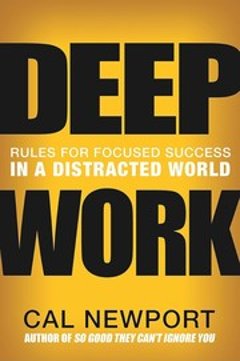 Goes deeperDeep Work by Cal Newport — Why uninterrupted blocks are worth more than busy days, and how to defend them.Click hereto see it→
Protect actual recovery
None of this replaces sleep, food, or genuine rest. The principle applies to the ordinary tiredness of inactivity, not to real exhaustion. Know the difference and honor both.
The Loop It Creates
Once you trust that action produces energy, a positive loop forms. You move, so you have more energy, so you do more, so you feel better, so moving is easier tomorrow. The people who seem to have endless energy are not built differently. They have simply learned which direction the arrow points and stopped waiting for something that was never coming first.
Move First
If you are tired right now, stand up. Walk for five minutes. Then start the thing for ten. Energy is not the prerequisite. It is the result, and it is waiting on the other side of the first small motion.
Two more books, and one tool

Launch list
Be there on day one.
One email when the book opens on Kickstarter. Nothing else. Already reading the book? Your Cheat Sheet is at wisdomdeck.com/free.
Coming soon on 
The book itself — 40 laws in ten parts, 320 pages, each ending with The Work — is funded first on Kickstarter.