How to Write a Brief That Gets You a Useful Accountability Partner
2 min read
The first thing WisdomDeck asks for is a brief. It is short, but what you put in it shapes everything after: how the first call goes, how fast the plan gets written, and whether the weekly question is aimed at the right thing. Here is how to write one that works.
One goal, in one sentence
Not three goals. Not “get my life together.” One outcome a stranger could check. “Pass the exam on the 14th.” “Send the manuscript to five agents by the end of the quarter.” “Run the household budget for twelve consecutive weeks.” If you have several, pick the one that makes the others easier, or the one you are most embarrassed about not having done.
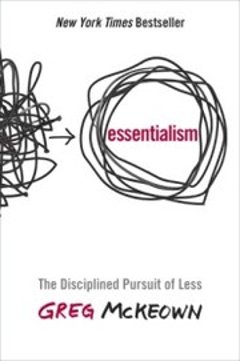 Worth reading on thisEssentialism by Greg McKeown — Doing fewer things, on purpose. The best argument for a shorter list you will read.Click hereto see it→
The date
Put a real date, even if it scares you. The first call can adjust it. A brief with no date is a brief about a wish.
What has already failed
This is the most useful section and the one people skip. Write what you have tried and where it broke. “I plan on Sundays and stop by Wednesday.” “I do fine until the first setback.” “I start too many things at once.” You are not confessing; you are handing your partner the map of where the plan needs reinforcing. A partner who knows you collapse on Wednesdays will put the check-in on Wednesday.
The real obstacle
Usually one of: time, fear, boredom, or a specific person. Name it. “I am avoiding this because the first step is a phone call I do not want to make” is worth more than a paragraph about your busy schedule.
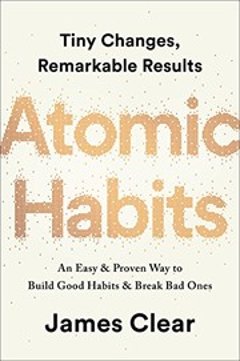 Goes deeperAtomic Habits by James Clear — The clearest manual on making a habit small enough to survive a bad week. Pairs with almost everything on this site.Click hereto see it→
What you want the partner to do when you miss
Some people want a plain “okay, next piece.” Some want to be pushed. Say which. Partners are not therapists and will not analyze you either way, but tone can be tuned.
What not to write
Your whole history. Anything you would want a licensed professional for. Money figures, if you are uncomfortable; the plan can work with “the transfer” rather than the amount. The brief is read by a real human on the WisdomDeck team and treated as confidential, but it should be about the goal, not about everything.
Then
Send it through the request form. A price comes back by email. If you say yes, the first call happens within a week and the plan gets written on that call. Nothing is charged before you agree. See how it works for the full sequence from brief to first question.
Two more books, and one tool

Launch list
Be there on day one.
One email when the book opens on Kickstarter. Nothing else. Already reading the book? Your Cheat Sheet is at wisdomdeck.com/free.
Coming soon on 
The book itself — 40 laws in ten parts, 320 pages, each ending with The Work — is funded first on Kickstarter.