Snack Bags for a Lunch Reset: Pack the Portion You Intend to Carry
2 min read
We may earn a commission if you buy through this link.
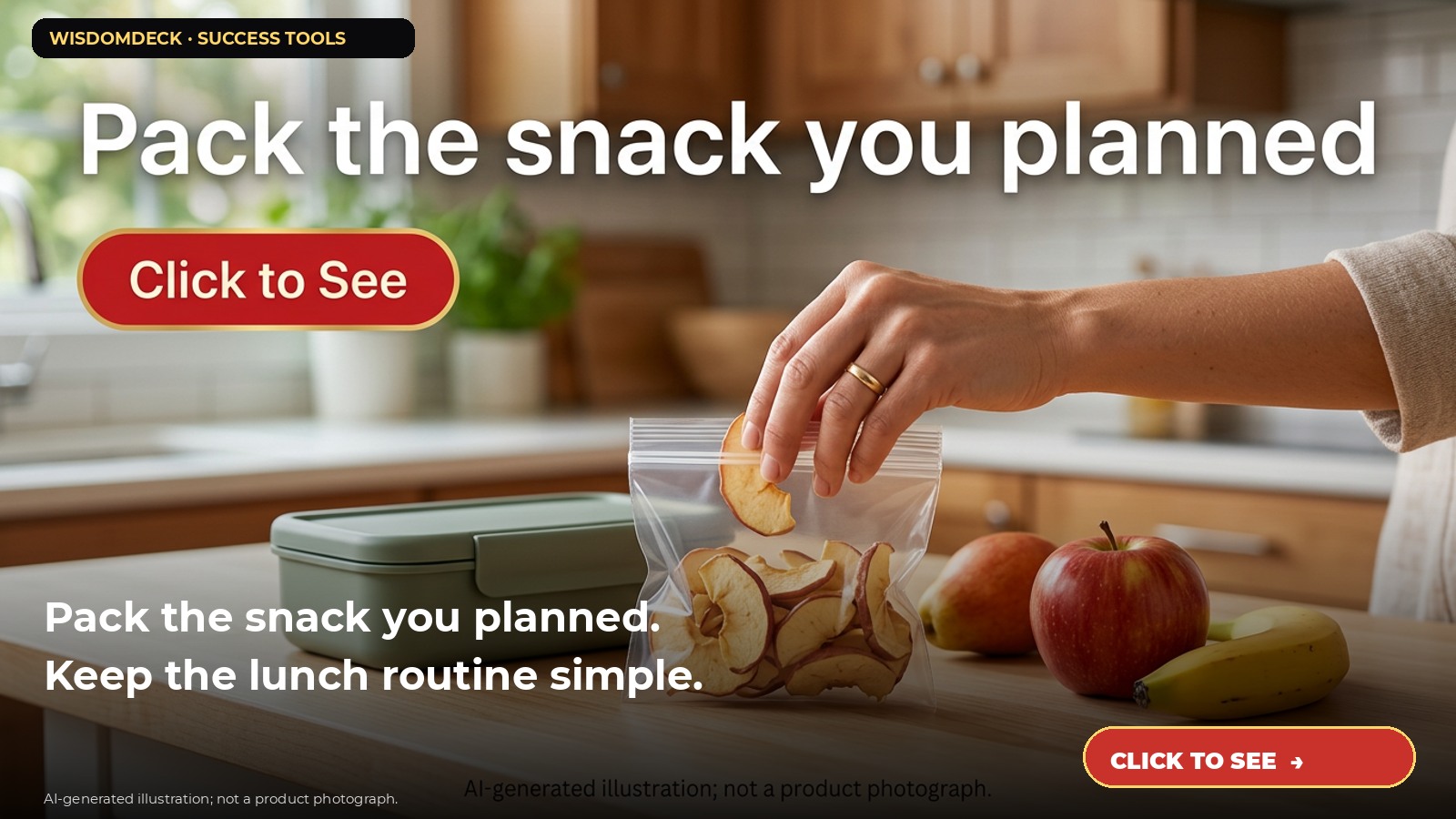
See Amazon Basics reclosable snack bags on Amazon. Check the current listing before buying; existing supplies may be all you need.
Lunch packing often slips because several small decisions are left until the last minute: what to bring, where the snack is, and which container is clean. A modest packing station can make that routine easier to repeat without turning it into a complicated meal-prep project.
Choose the food before the container
Decide what snack belongs with the meal and whether it travels safely under the conditions you can provide. Follow food-safety guidance for temperature-sensitive foods and use an insulated carrier or cold source when recommended. A reclosable bag is packaging, not refrigeration.
Check the bag maker’s directions for intended food contact, reuse, cleaning, and disposal. The referenced snack bags are not recommended for microwave use or liquids according to the product information; never heat food in them or use them to carry liquid.
Make one small packing zone
Keep the lunch bag, suitable containers, and shelf-stable snack choices together in a clean, dry place. Put items back after use so the next packing session begins with a known location. Do not store food packaging beside cleaning chemicals or where children or pets could access unsuitable items.
For a dry snack, portion an amount that suits the person and the meal. Avoid implying that one serving size fits everyone. If the original package provides relevant allergen or ingredient information, retain access to it and communicate it to anyone who needs it.
Use labels when bags look alike
If several lunches are packed at once, a name or simple content label can help distinguish them. Use a writing method compatible with the bag and keep identifying details limited to what is needed. Avoid adding personal information that might be visible to others.
For example, one person can assemble the shelf-stable part of tomorrow’s lunch after dinner, then add any refrigerated items in the morning. Keep those steps separate so the bag does not become a reason to leave perishable food at room temperature.
Reuse only when appropriate
Do not assume a disposable food bag is safe or hygienic for repeated use. Follow the product’s cleaning and reuse directions; if it is not intended to be washed and reused, choose a suitable reusable container instead. Discard packaging that is torn, cloudy, contaminated, or otherwise unsuitable.
Keep the routine flexible. If the household already has containers that are easier to clean or better for the food, there is no need to add another supply. Bags should not replace an appropriate lunch box where crushing, temperature, or leakage matters.
Review the station after a week
Notice which foods actually get packed and which supplies remain untouched. Move the useful items within reach and stop buying formats that do not fit the routine. A short list of dependable options can reduce decision-making without prescribing a diet.
The aim is a simpler packing sequence, not a health claim or a promise that disposable packaging is the best choice for every lunch.

Launch list
Be there on day one.
One email when the book opens on Kickstarter. Nothing else. Already reading the book? Your Cheat Sheet is at wisdomdeck.com/free.
Coming soon on 
The book itself — 40 laws in ten parts, 320 pages, each ending with The Work — is funded first on Kickstarter.