Earn Your Own Respect First
2 min read
Most people are running an exhausting operation to secure respect from the outside. Impress the boss. Manage the image. Win the argument. Get the recognition. And when it arrives, it lands on a surface that cannot hold it, because underneath there is a private ledger that says something different: I skipped it again. I did not do what I said. I know what I am avoiding. No amount of external respect fills a hole that only your own conduct can fill. The respect you are chasing out there is a substitute for the kind you have not yet earned in here.
Where Self-Respect Comes From
Not from affirmations, and not from being told you are enough. It comes from evidence, and the evidence is behavioral. You respect people who keep their word, face hard things, do the work without an audience, and treat others decently under pressure. You apply the same criteria to yourself whether you mean to or not. Every kept promise deposits respect. Every avoided task withdraws it. The balance is what you feel when you are alone with yourself, and no compliment from anyone else changes the number.
Why External Respect Never Sticks
Because you know things about yourself that other people do not. When someone praises your discipline and you know you have not trained in a month, the praise does not land; it stings. External respect can only confirm what the internal ledger already says. If the ledger is empty, the praise feels like fraud. If the ledger is full, you barely need the praise, which is exactly why people who have earned their own respect seem so unbothered by whether they get anyone else’s.
 Worth reading on thisMan’s Search for Meaning by Viktor E. Frankl — Written by a man who lost everything and kept the one thing that mattered. Read it slowly.Click hereto see it→
Earning It
Keep one small promise to yourself daily
The size is irrelevant. The keeping is everything. A week of small kept promises does more for self-respect than a year of compliments.
Do the avoided thing
Each of us has a short list of things we know we should handle and have not. Every item on it is a debit. Clear one and feel the balance move.
Act well when it is unobserved
The tip you leave, the shortcut you do not take, the effort you give when nobody would know. These are the deposits with the highest value, because they cannot be explained by anything except who you are.
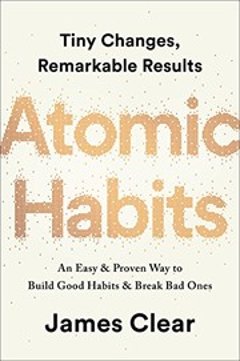 Goes deeperAtomic Habits by James Clear — The clearest manual on making a habit small enough to survive a bad week. Pairs with almost everything on this site.Click hereto see it→
Stop asking for the grade
Notice when you are fishing for approval and redirect the question inward: did I do what I said I would? If yes, the grade is in. If no, no external grade will help.
What Changes When You Have It
You become quieter. Criticism loses most of its sting, because you already know your conduct and one opinion cannot overrule it. Praise becomes pleasant rather than necessary. You stop performing and start simply doing, and the strange result is that other people’s respect arrives more easily, since people can sense the difference between someone who needs it and someone who has already given it to themselves.
Start the Ledger
Today, one kept promise, one avoided thing handled, one good act nobody sees. Write them down tonight. That is the only respect that was ever going to hold. Earn it first, and the rest follows on its own.
Two more books, and one tool

Launch list
Be there on day one.
One email when the book opens on Kickstarter. Nothing else. Already reading the book? Your Cheat Sheet is at wisdomdeck.com/free.
Coming soon on 
The book itself — 40 laws in ten parts, 320 pages, each ending with The Work — is funded first on Kickstarter.